Koinoki Shrine
Chikugo
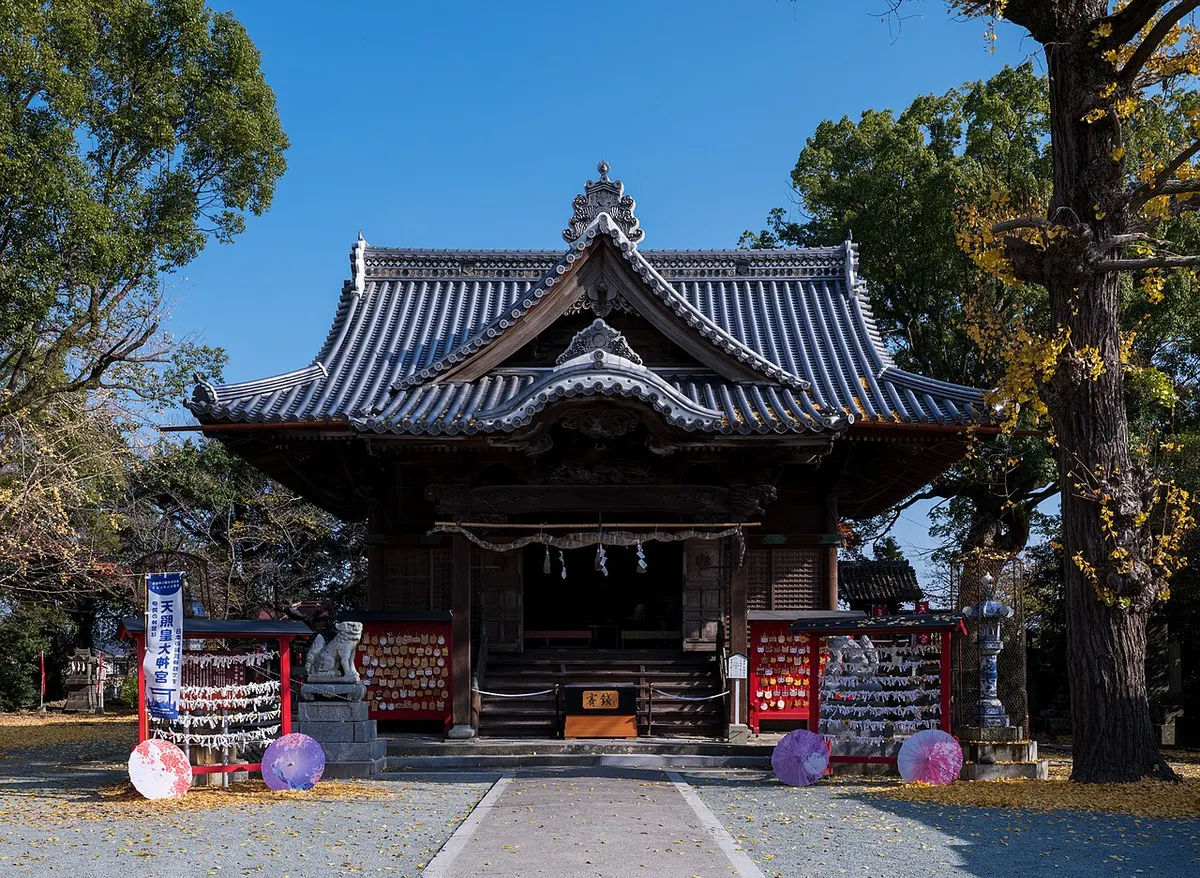
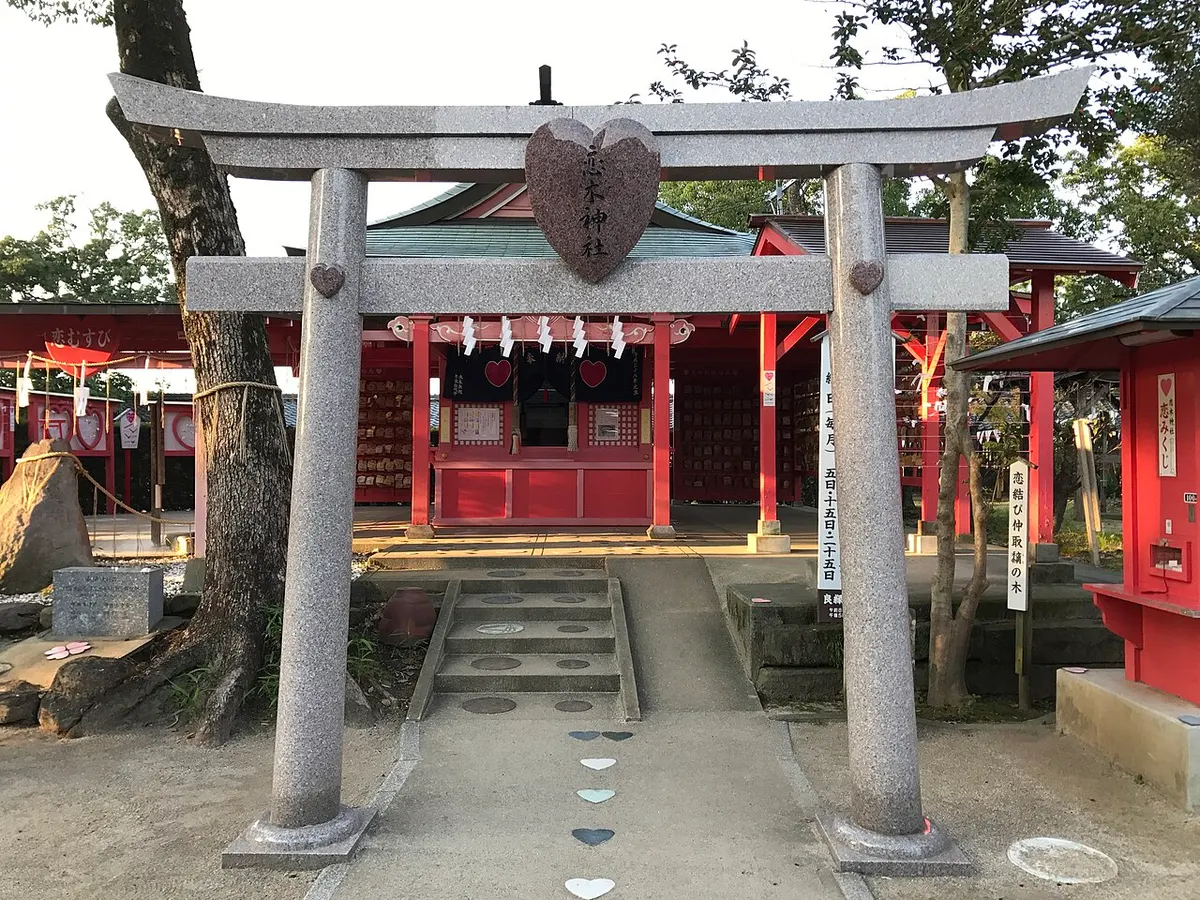
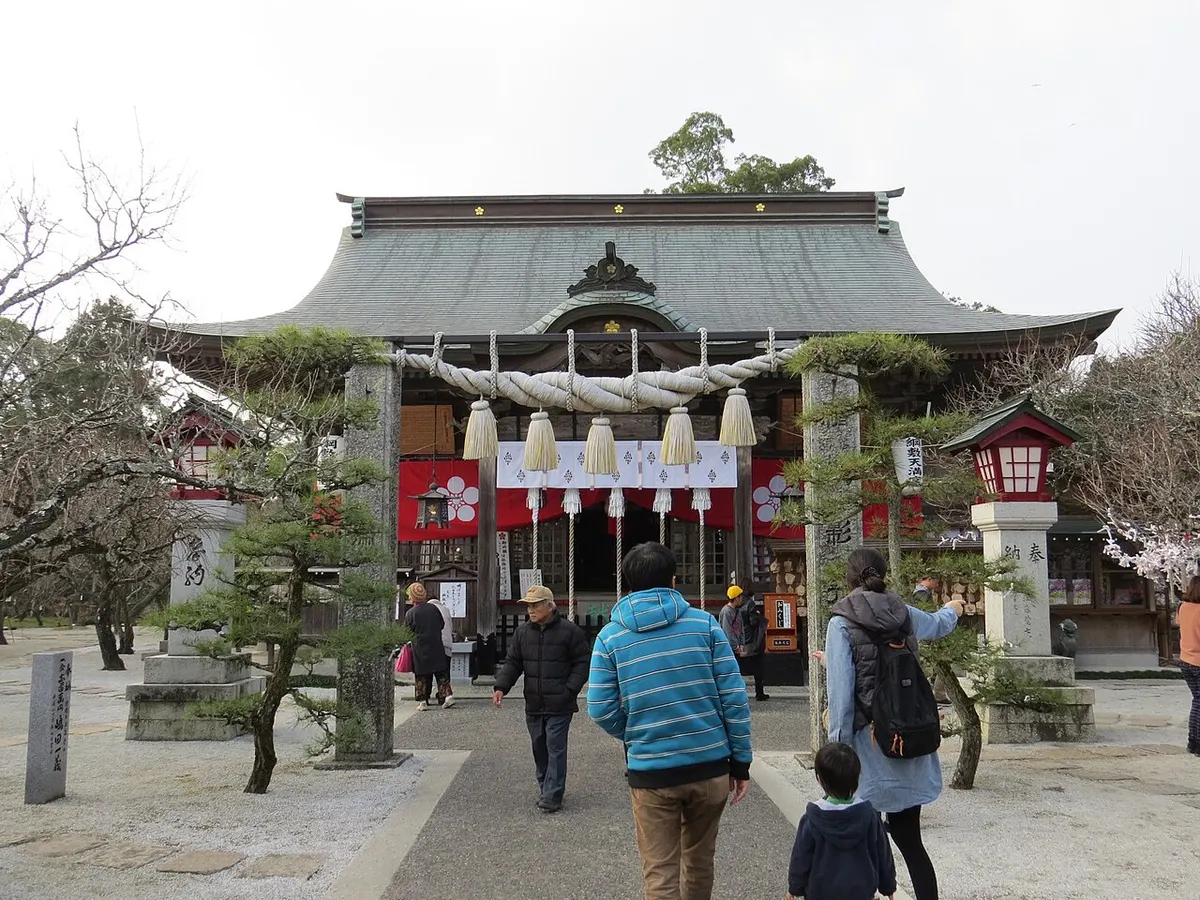
A subsidiary shrine within Mizuta Tenmangu enshrining Koi-no-Mikoto, a rare deity nationwide. Known for heart-shaped paving, charms and good-match prayers.
DetailsPhoto: そらみみ / CC BY-SA 4.0(Wikimedia Commons)
As Japan’s historic gateway to the Asian continent, Fukuoka is home to ancient shrines dedicated to sea deities, Hachiman and Tenjin. From shrines tucked into the streets of Hakata to approaches overlooking the sea, choose your visit by map or by blessing.
Chikugo
A subsidiary shrine within Mizuta Tenmangu enshrining Koi-no-Mikoto, a rare deity nationwide. Known for heart-shaped paving, charms and good-match prayers.
DetailsPhoto: そらみみ / CC BY-SA 4.0(Wikimedia Commons)
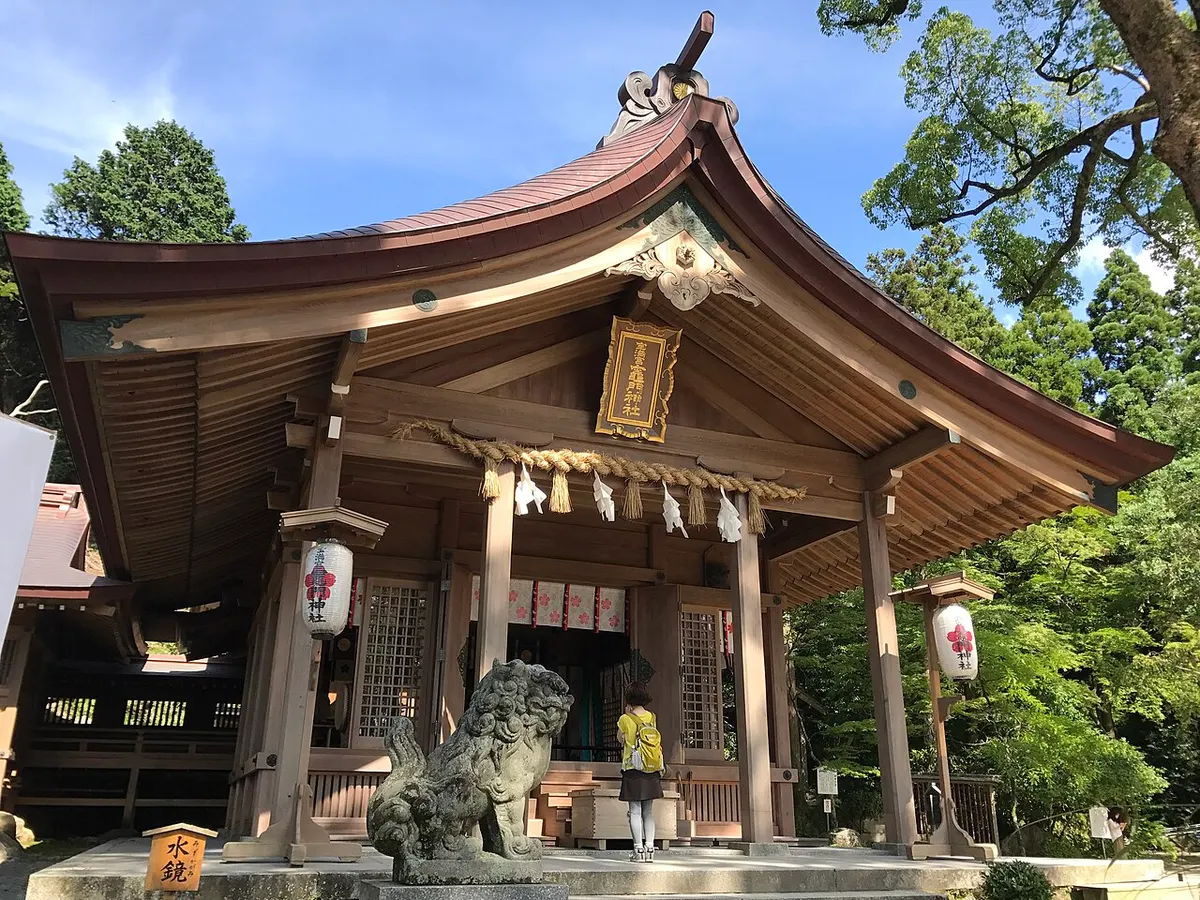
Dazaifu
At the foot of Mt. Homan, enshrining Tamayorihime, venerated as a deity of good matches. Known for love-wish ema plaques and "Musubi no Ito" charms.
DetailsPhoto: そらみみ / CC BY-SA 4.0(Wikimedia Commons)
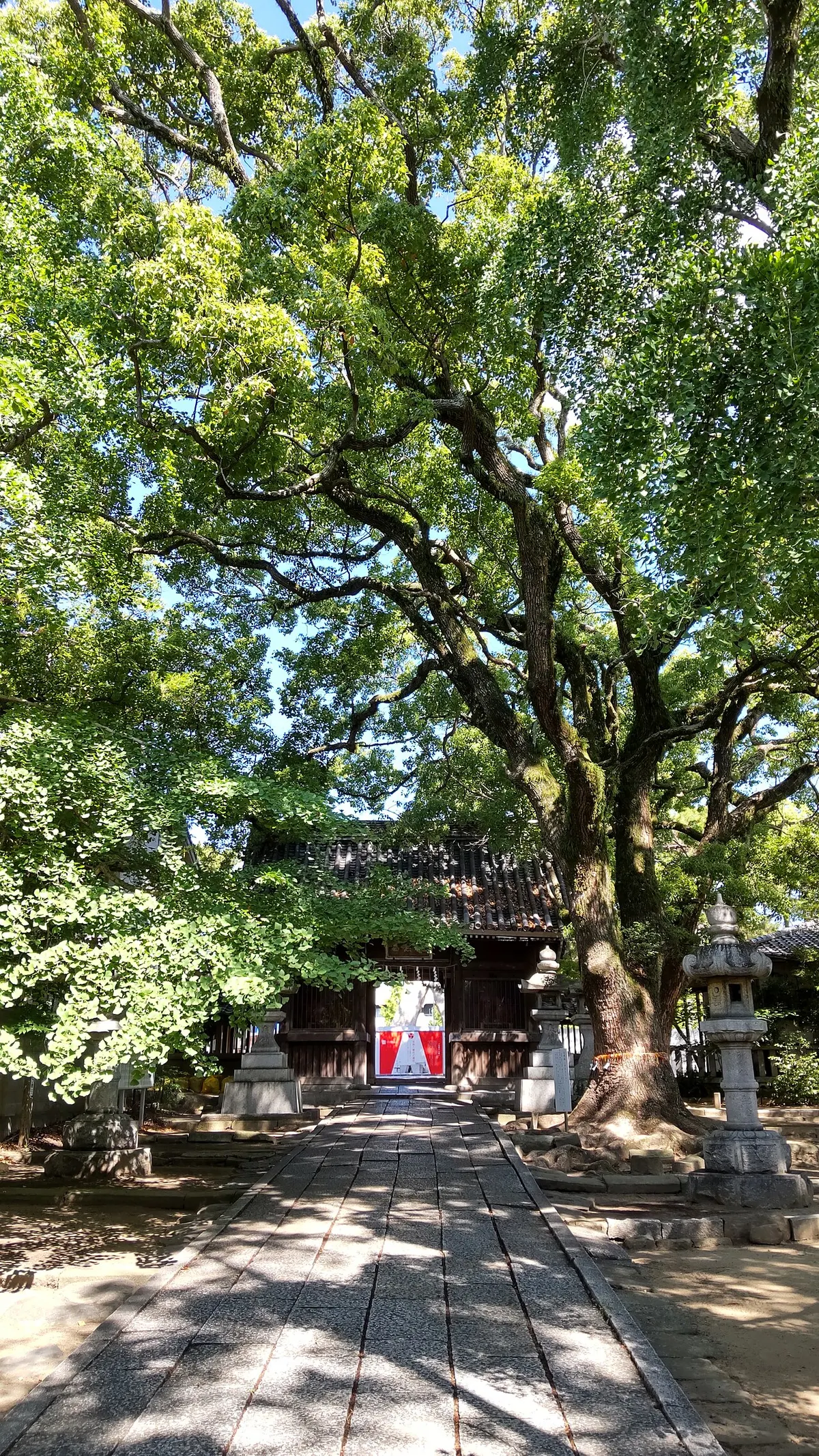
Chuo Ward, Fukuoka
A Hachimangu whose official site says it is known for blessings of good matches, recovery from illness, contests, the arts and warding off misfortune.
DetailsPhoto: Amdmochi / CC BY-SA 4.0(Wikimedia Commons)
Minami Ward, Fukuoka
A hilltop Hachimangu introduced on travel sites as known for good matches, love luck and marital harmony; heart-shaped stones in the grounds draw attention.
Details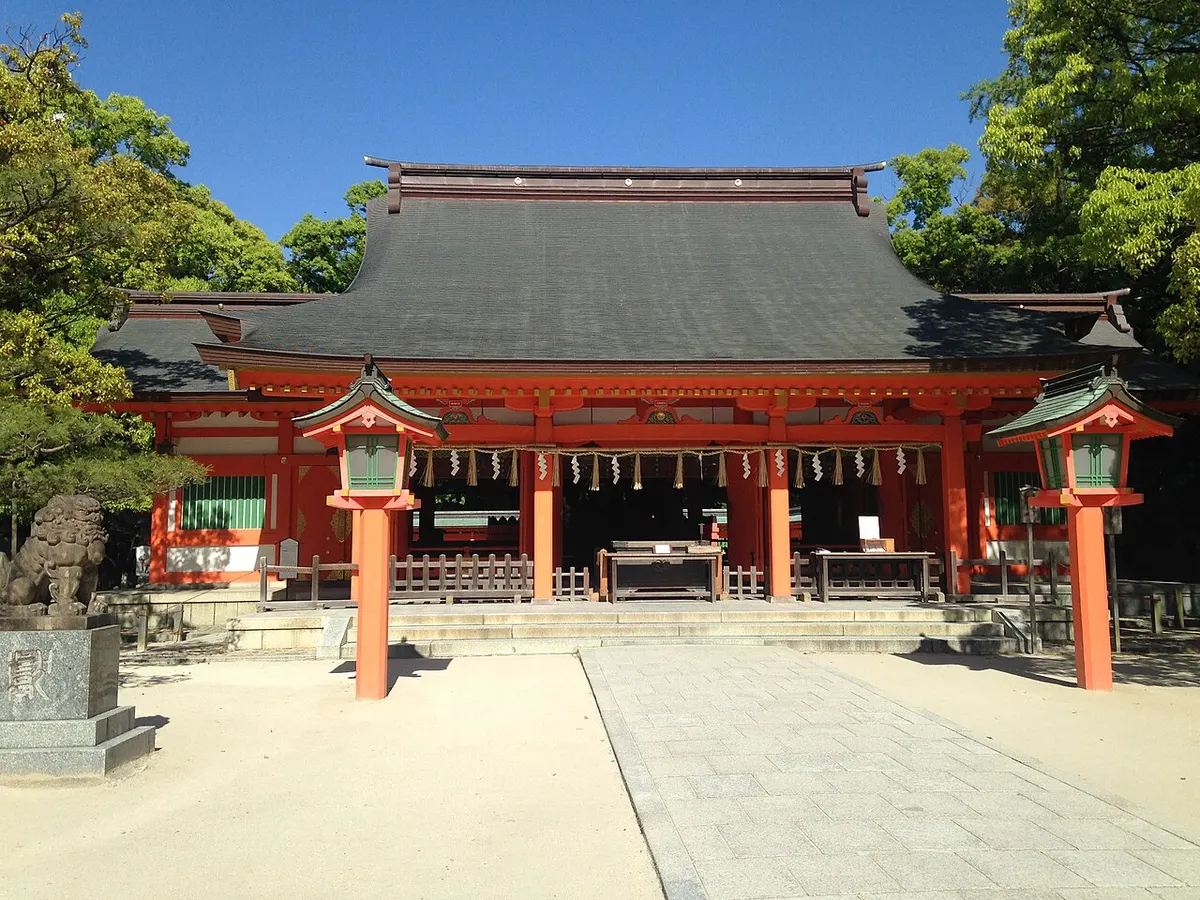
Hakata Ward, Fukuoka
An old shrine with a National Important Cultural Property main hall in Sumiyoshi-zukuri style. The official site calls it "Nihon Daiichi Sumiyoshi-gu."
DetailsPhoto: そらみみ / CC BY-SA 4.0(Wikimedia Commons)
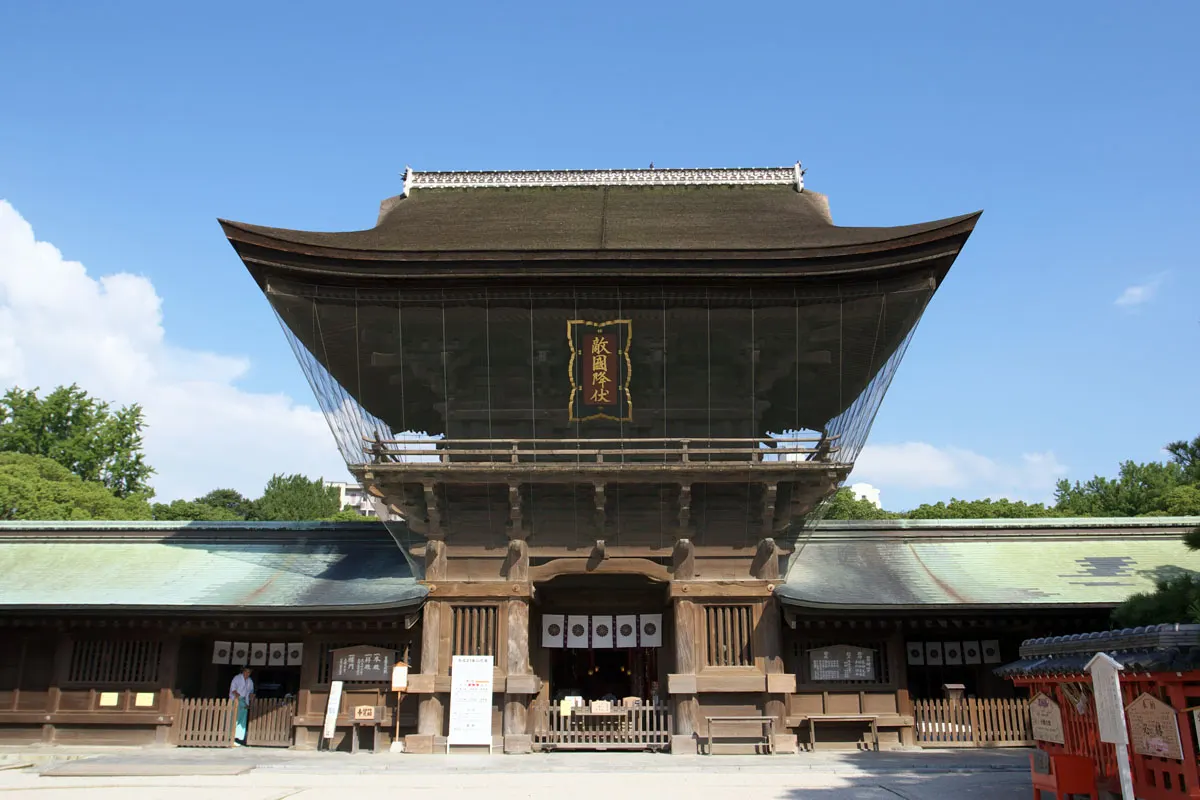
Higashi Ward, Fukuoka
A Hachimangu whose Important Cultural Property tower gate bears the "Tekikoku Kofuku" plaque, with an approach of about 850 m from the seaside torii.
DetailsPhoto: Pontafon / CC BY-SA 3.0(Wikimedia Commons)
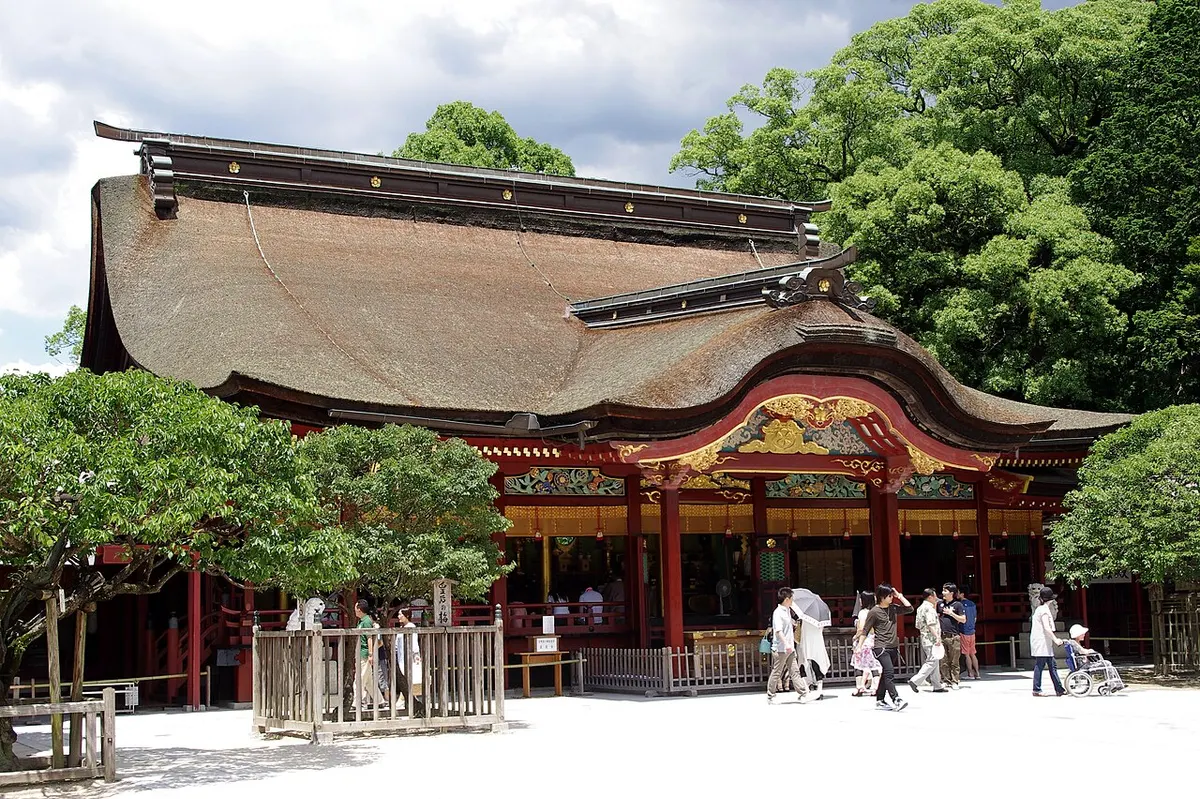
Dazaifu
A Tenmangu enshrining Sugawara no Michizane. Its main hall is an Important Cultural Property, and it is known as a place to pray for academic success and exam passing.
DetailsPhoto: Jakub Hałun / CC BY-SA 4.0(Wikimedia Commons)
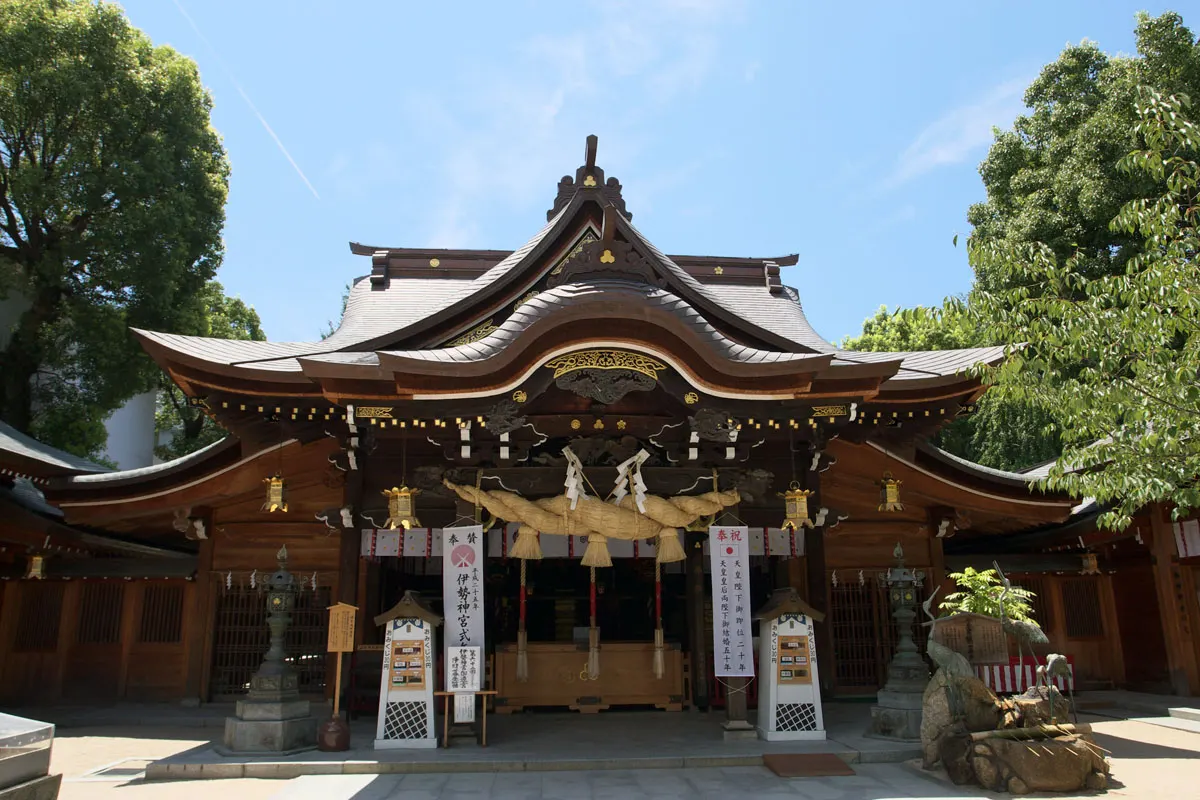
Hakata Ward, Fukuoka
Known as the guardian shrine of Hakata and the stage of the Hakata Gion Yamakasa, with a permanent decorated float and the roughly 1,000-year-old "Kushida ginkgo."
DetailsPhoto: Pontafon / CC BY-SA 3.0(Wikimedia Commons)
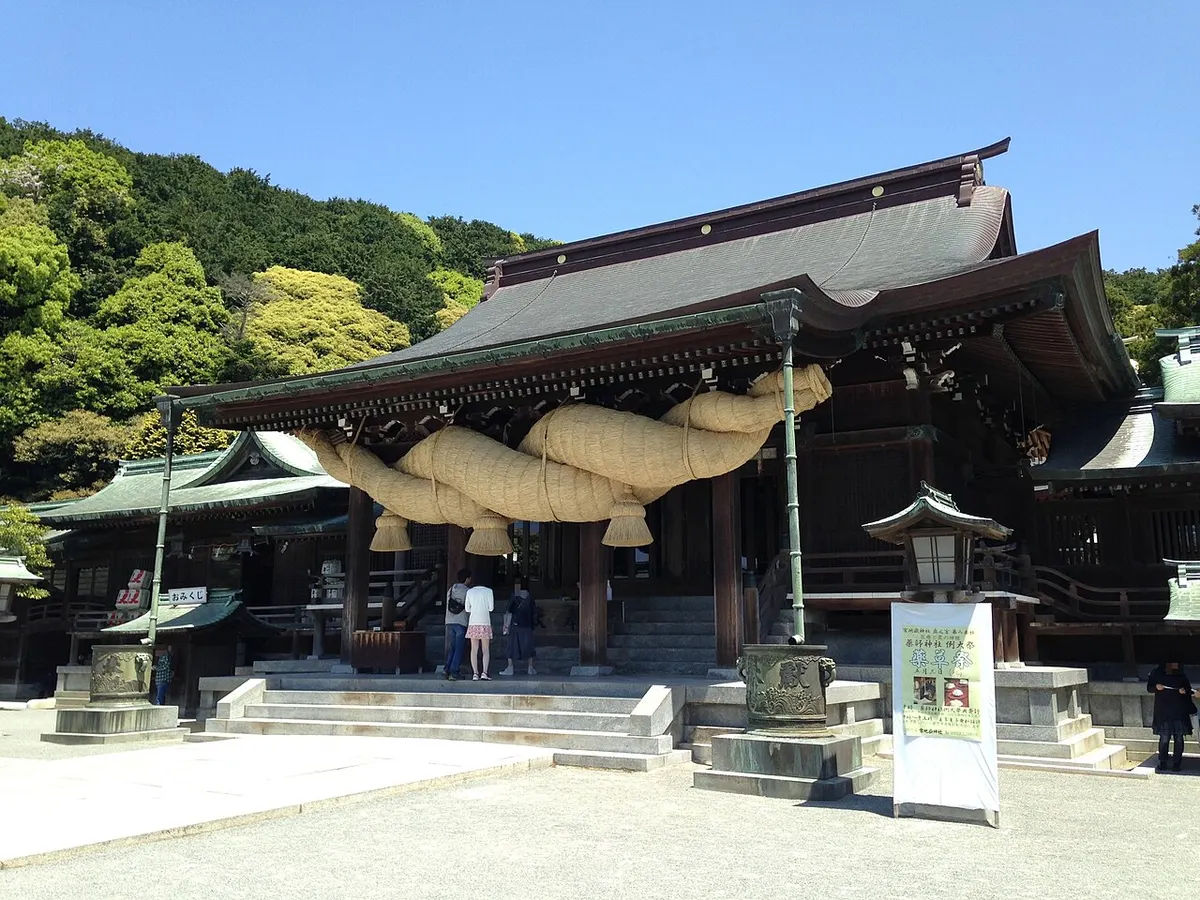
Fukutsu
Known for a large shimenawa rope said to be Japan's largest and the "Path of Light," where the sunset lines up along the approach.
DetailsPhoto: そらみみ / CC BY-SA 4.0(Wikimedia Commons)
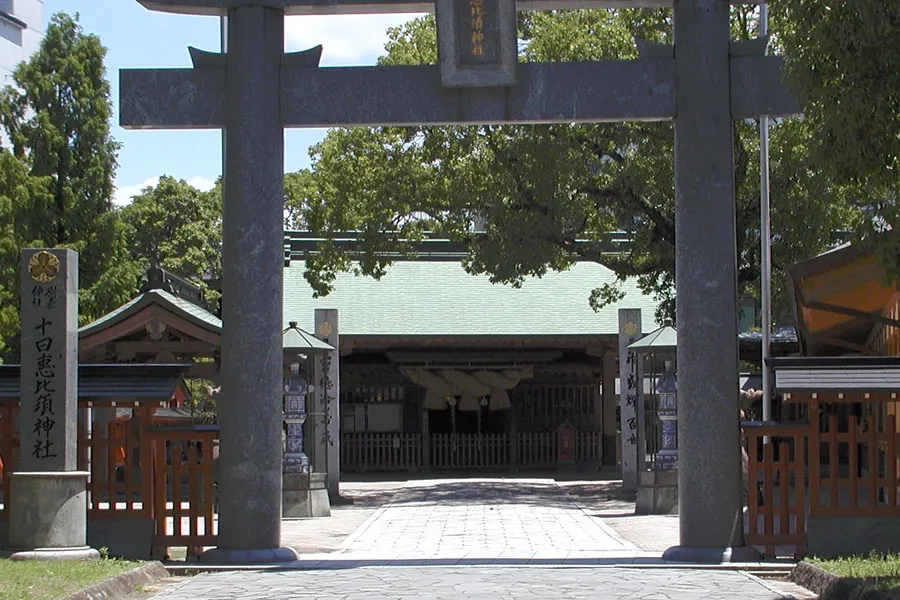
Hakata Ward, Fukuoka
A shrine enshrining Ebisu and Daikoku, where the Tooka Ebisu New Year Grand Festival (Jan 8-11), known as a festival for business prosperity, is held.
DetailsPhoto: Pontafon / CC BY-SA 3.0(Wikimedia Commons)
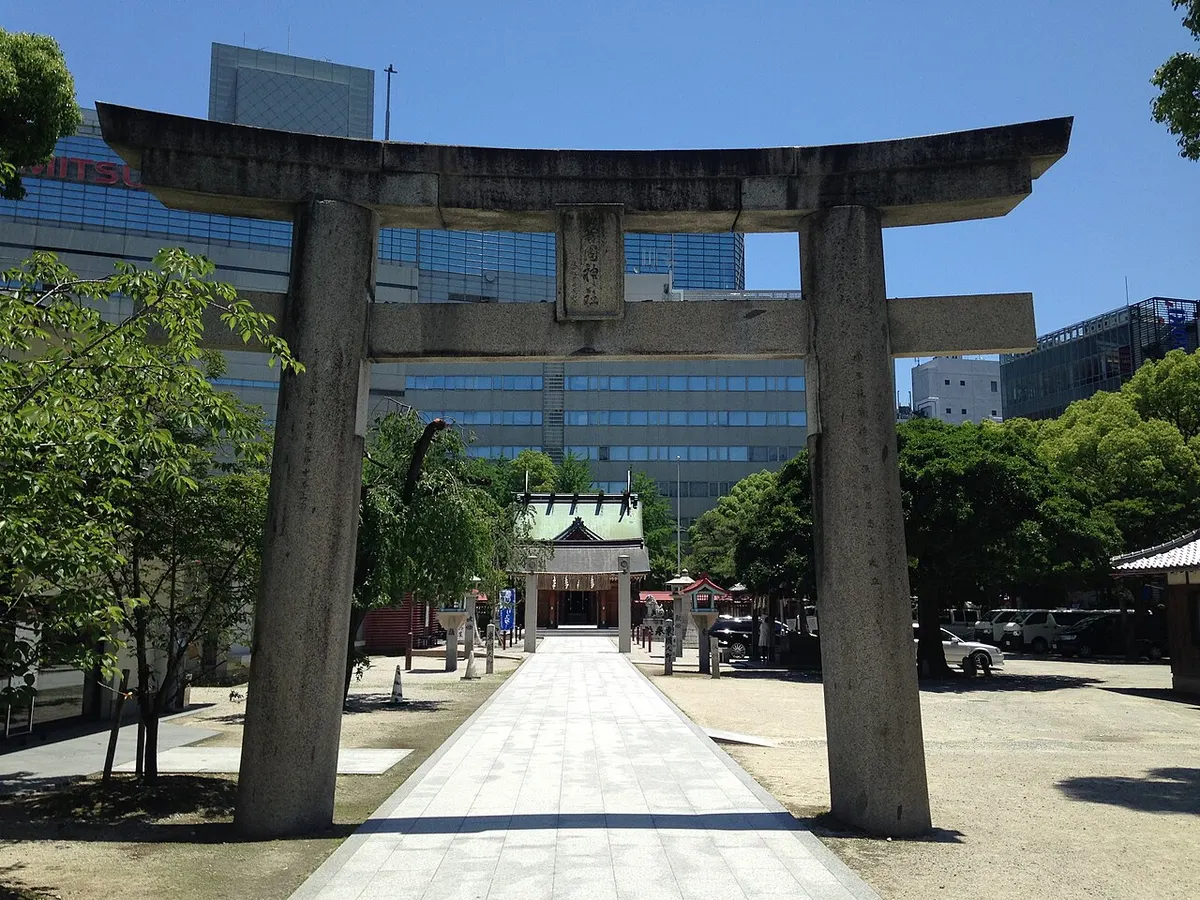
Chuo Ward, Fukuoka
A shrine in the heart of Tenjin. Tradition says it began when Empress Jingu enshrined Kego Okami at Fukusaki during her Korean campaign.
DetailsPhoto: そらみみ (Soramimi) / CC BY-SA 4.0(Wikimedia Commons)
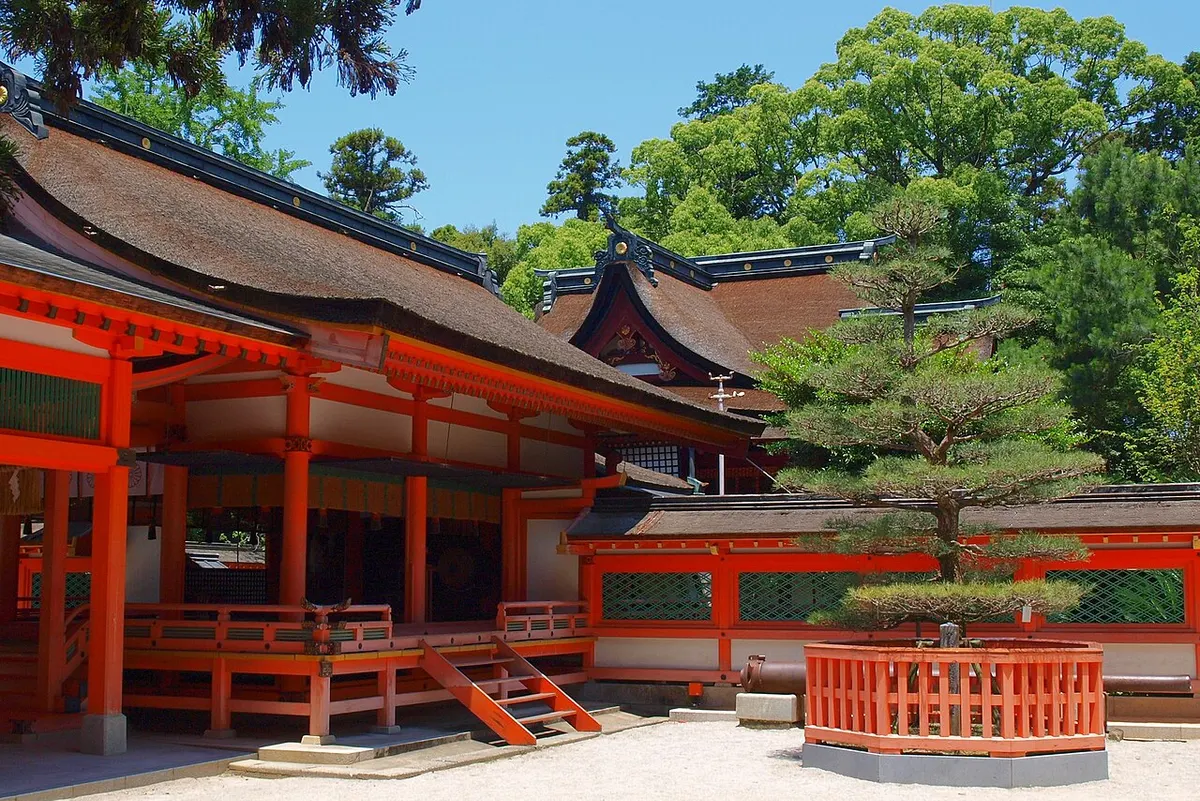
Higashi Ward, Fukuoka
An old shrine whose main hall in the Kashii-zukuri style is an Important Cultural Property, with the Furo-sui spring and the camphor-lined Chokushi-michi avenue.
DetailsPhoto: ぱちょぴ(投稿者)撮影 / CC BY-SA 3.0(Wikimedia Commons)
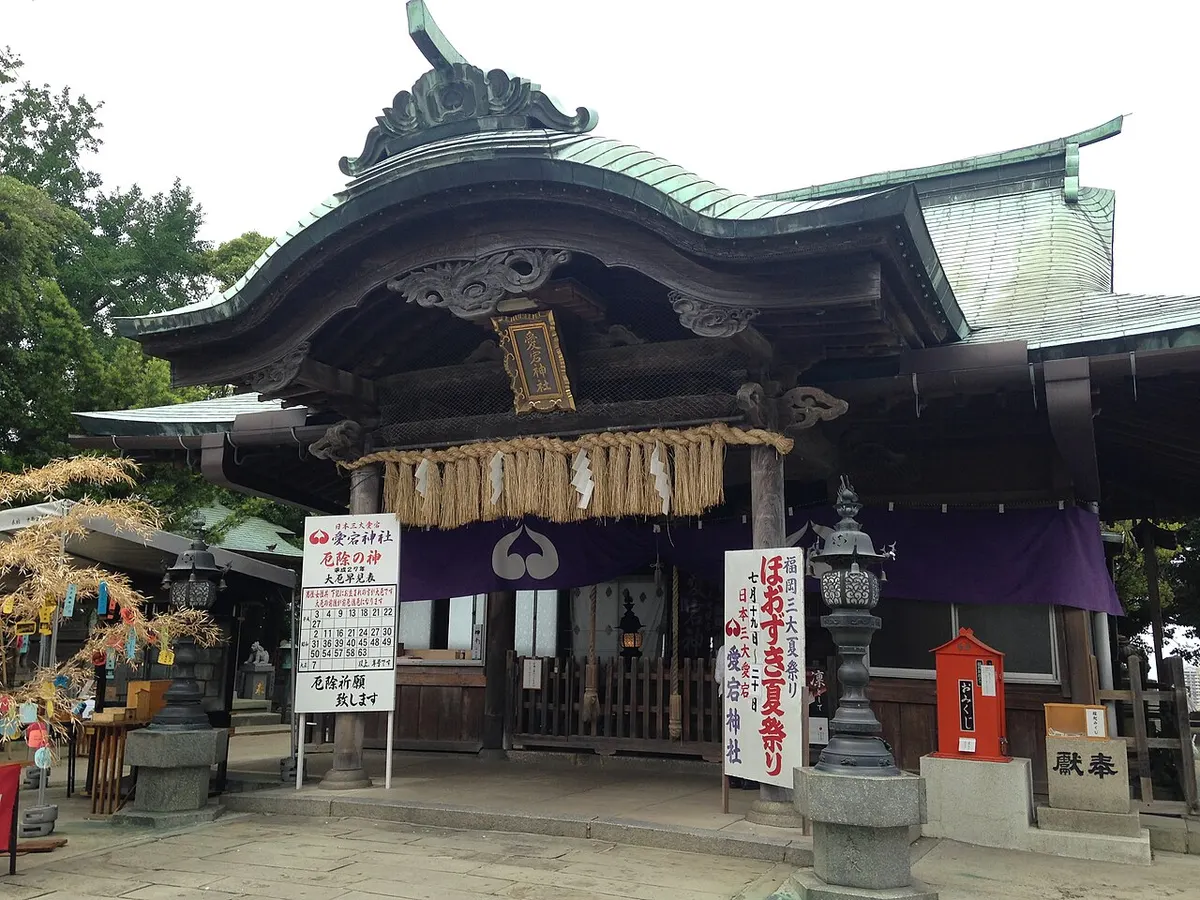
Nishi Ward, Fukuoka
A hilltop shrine with fine views toward Momochihama. A spring cherry blossom spot with about 2,000 trees, it draws around 700,000 visitors over the first three days of the New Year.
DetailsPhoto: そらみみ (Soramimi) / CC BY-SA 4.0(Wikimedia Commons)
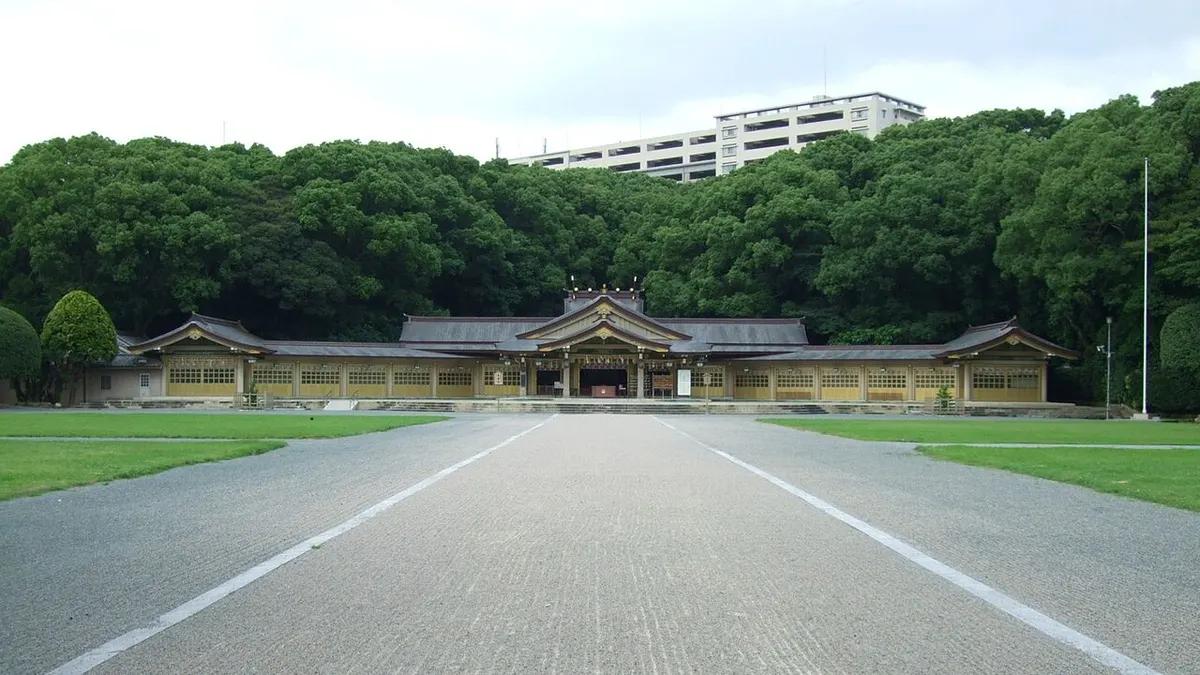
Chuo Ward, Fukuoka
A shrine enshrining the spirits of the war dead. Founded in 1868, it holds its annual festival on May 3-4 and an autumn festival around Health and Sports Day.
DetailsPhoto: Muyo / CC BY-SA 3.0(Wikimedia Commons)
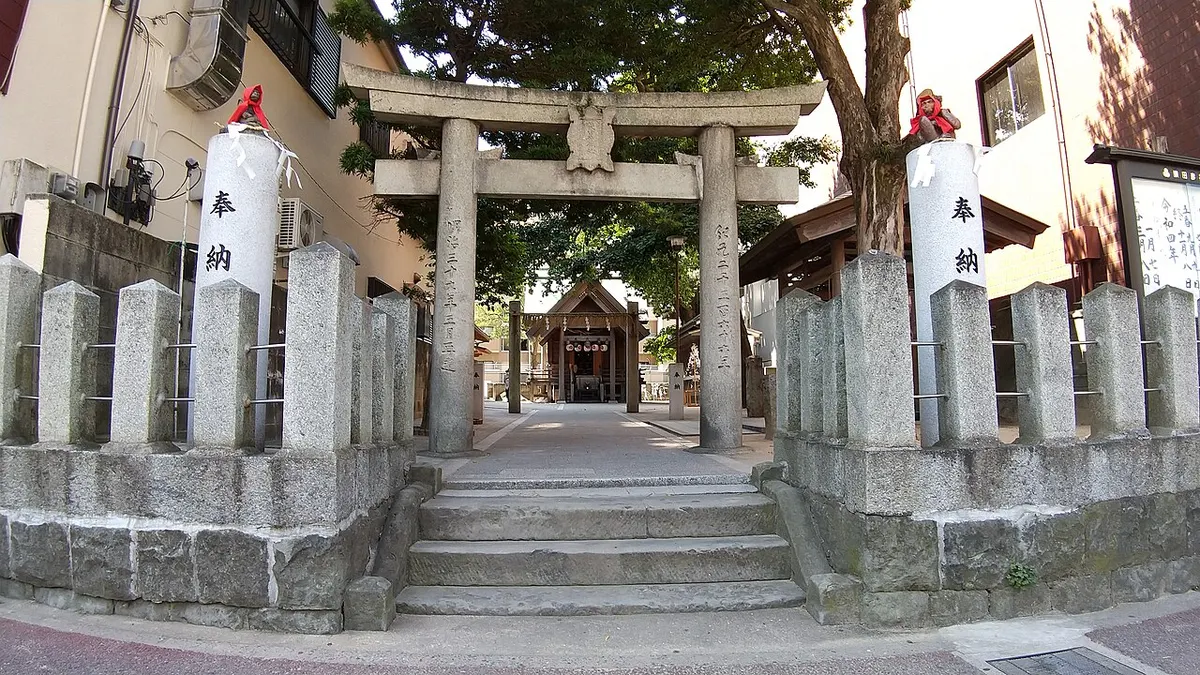
Sawara Ward, Fukuoka
A shrine about a minute on foot from Fujisaki Station. Its monkey-face charm is given out only on Koshin days, with a Koshin festival held every 60 days.
DetailsPhoto: Hirho / CC BY-SA 4.0(Wikimedia Commons)
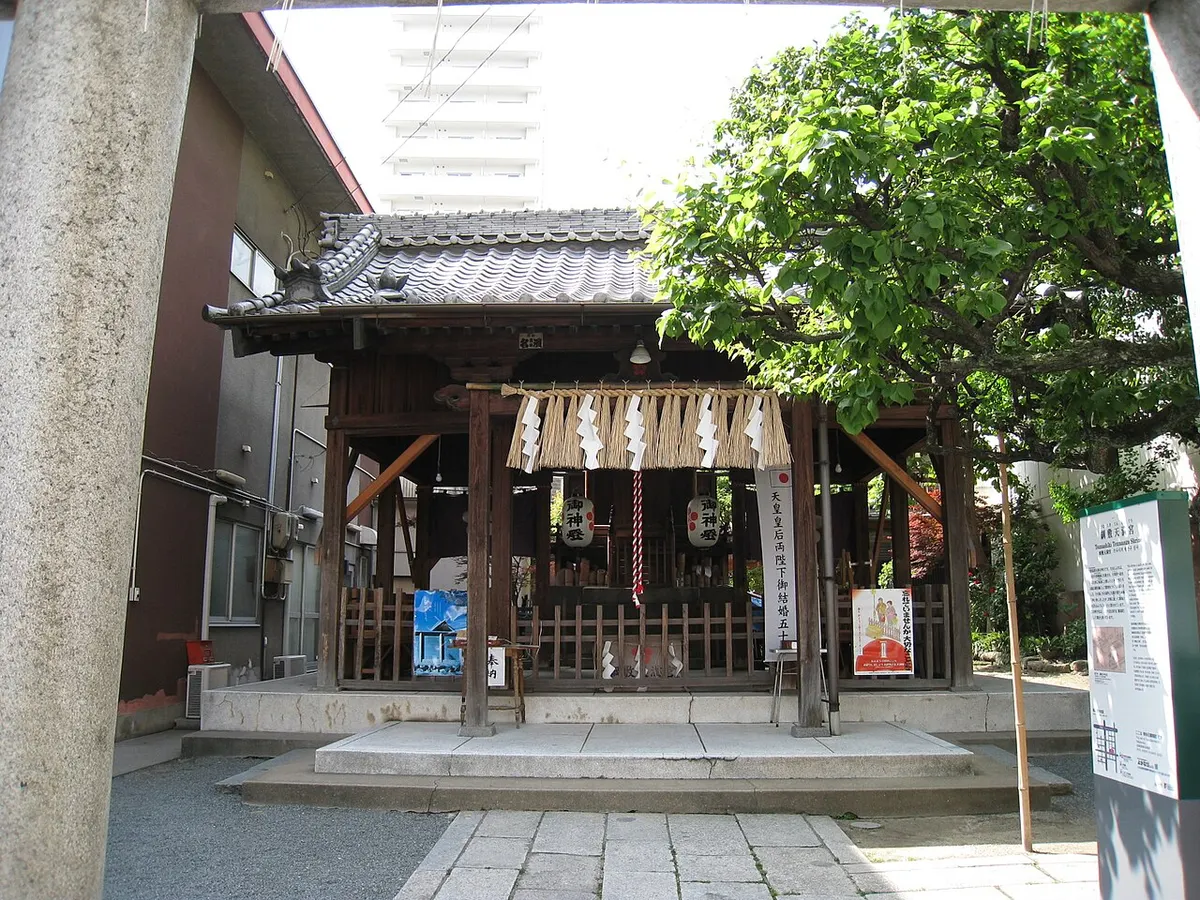
Sawara Ward, Fukuoka
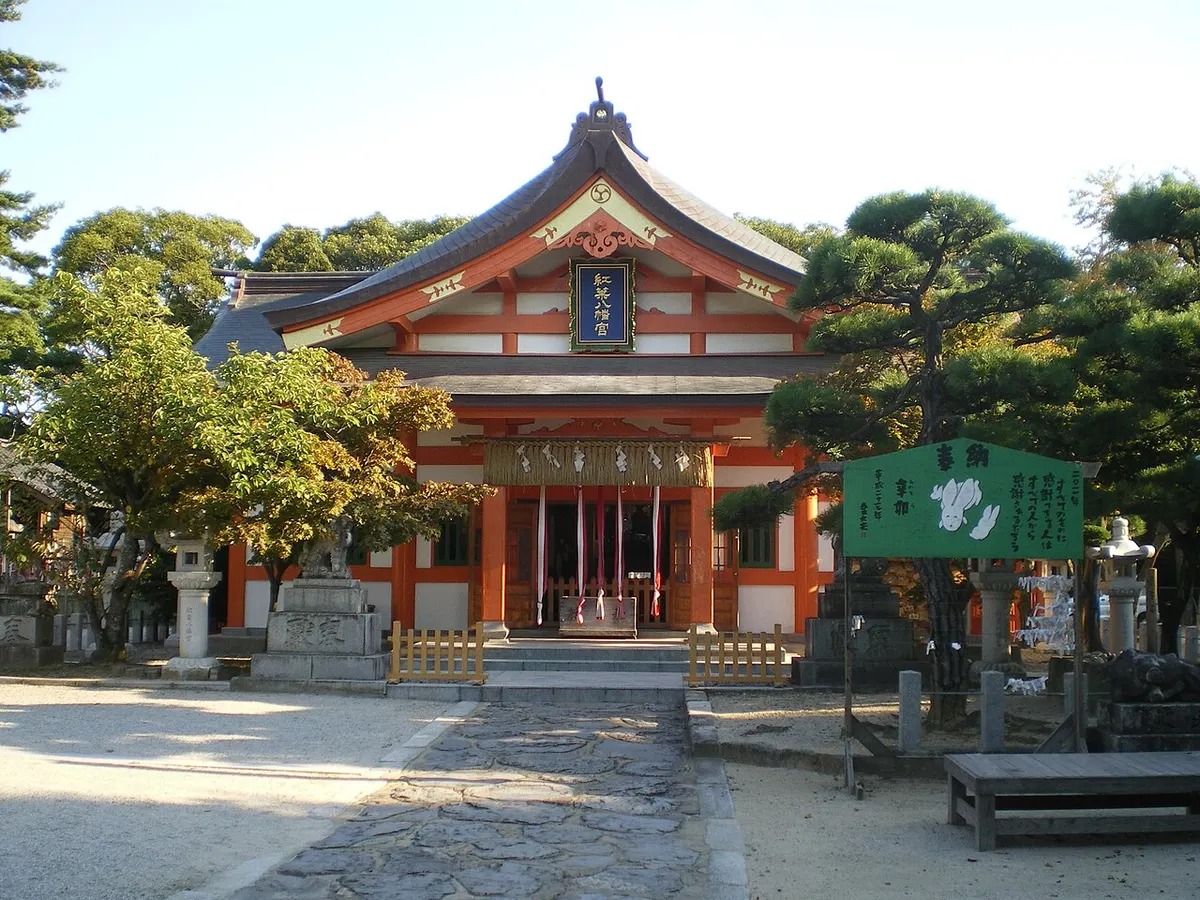
A Hachimangu formally founded in 1482, known for its Meoto Matsu pine and large torii. A travel site lists it as a shrine for good matches.
DetailsPhoto: Ginger1192 / CC BY-SA 3.0(Wikimedia Commons)